


Happy Thursday! Everyone in the Plotted Out pub is annoyed, and we’re petitioning the Weather Gods to mix things up. At the beginning of this year, we had fifty days of continuous rain; now we’re counting 40 days of heat. Half of England is now in drought conditions with wildfires ranging across France, Spain and Scotland. The pub’s cat is sleeping in the cellar, and the ghost is shrieking next to the well.
Grab a cider and settle in. Today, we’re talking about 5,000-year-old parchmarks and abandoned places in one of the most crowded regions in Europe.
Plotted Out Schedule…
🎧 Next Mundane Magecraft (Episode 24): Friday, 31st July
Listen to the series here
📖 Catch up with Sticky Witch XXX (Chapter Thirty)
Read here | About Sticky Witch | View all chapters
👑Paid Subscribers Perk: The recipe preview thread is going live on Monday 3rd
What you get: artwork peeks, recipe reviews and notes about the lore behind the ingredients. It’s practical (everything is tasty and legal to bake) and mythic (you get to freak out your family with knowledge)
Become a paid subscriber for the year for £10.
You get my recipe book, irreverent humour and novels when they are published.
The ground remembers
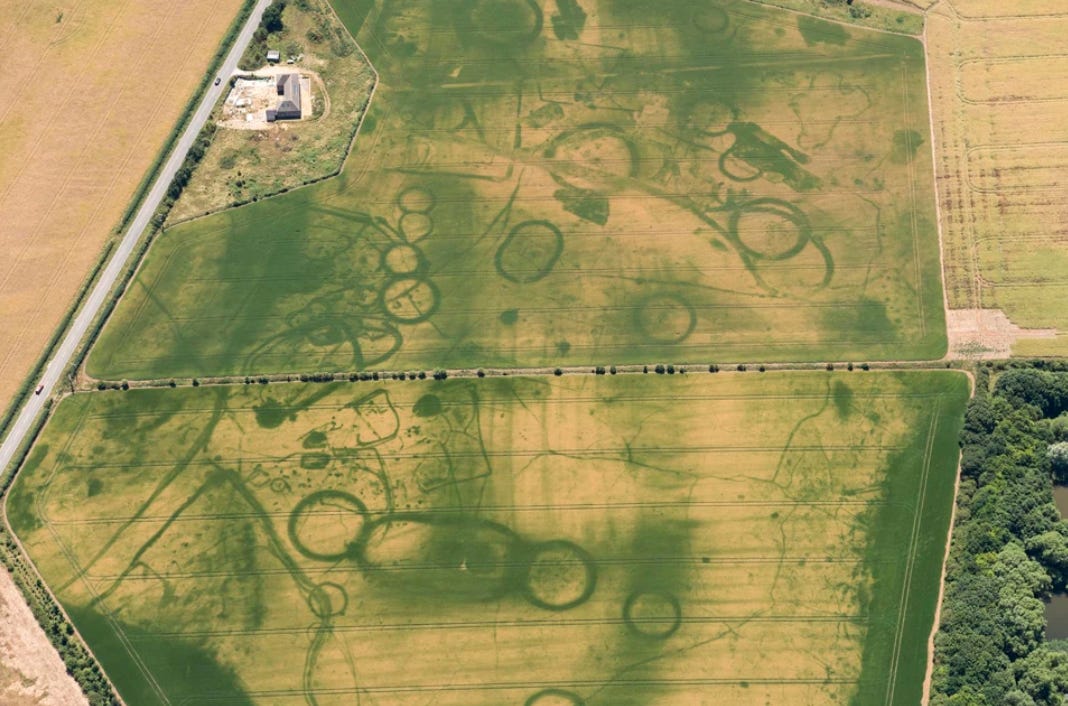
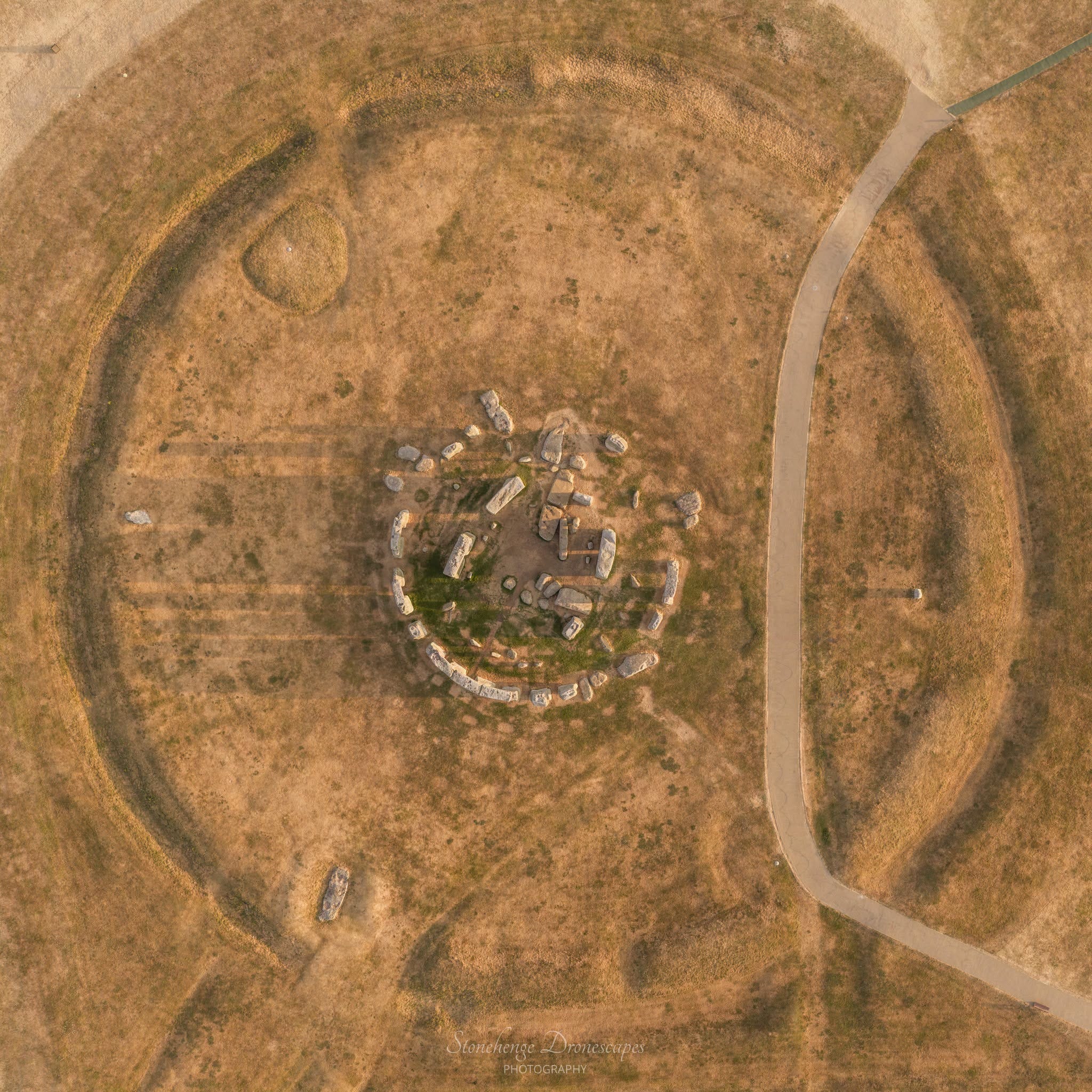
When the ground grows parched and shrinks, it gives up its secrets. This month you can see the full layout of Stonehenge - including the missing stones - over on Facebook via drone photography. Other Neolithic monuments include cursus monuments in Dorset, Iron Age settlements in Cornwall and Roman farms in Devon. See them all.
What we do lingers on in the land, long after we are gone. I wonder what footprints we will leave for our descendants, five millennia hence?
English Ghost Villages
In the latest two episodes of Sticky Witch, my heroine had to visit a real-life ghost village. These are places abandoned by the living, but still have buildings, landmarks or land imprints (like Stonehenge, above). Most of them are very old, and in most cases, their people did not want to move. English ghost villages exist through policy or slow-moving disaster.
The Military Ghosts
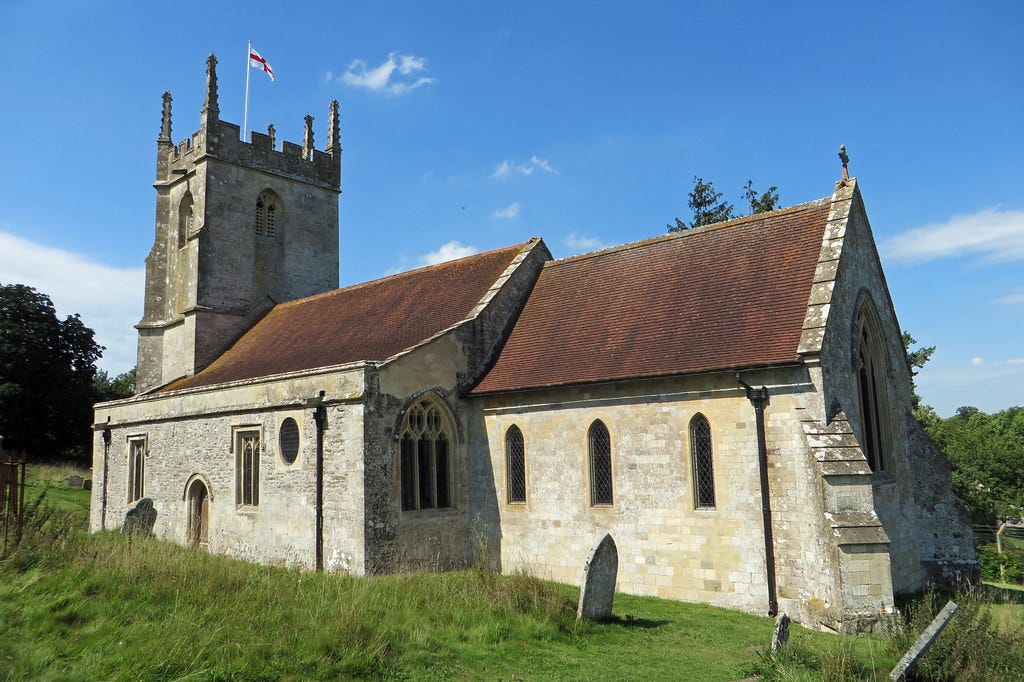
During the Second World War, the Ministry of Defence cleared large tracts of the countryside in order to create training grounds. For Imber, in Wiltshire and Tyneham in Dorset (just 60 miles apart), the inhabitants were given 47 days notice to leave in 1943, told it was temporary and never got to return. Imber villagers left canned food in the cupboards. There were notes pinned to the doors in Tyneham, from villagers asking the servicemen to treat their homes with care, as they had given up the village for the war effort. The local son of the local gentry (Bond) spent most of WWII as a prisoner of war, only to return home and find it lost. His family relocated to Corfe Castle.
After the war ended, the MOD reneged on their promise, saying it was just a verbal agreement and the land would be “offered back” if needed. In January 1961, 2,000 protestors broke the security cordon to occupy Imber and demand its return. A public inquiry followed. The MOD kept the land. The only concession (same for Tyneham) was that the churches would be maintained and open for worship once a year.
These villages are incredibly old. Imber dates back to 967 (Anglo-Saxon times); Tyneham is mentioned in the Domesday Book of 1086. The communities endured through plague, famine and civil war, only to be broken apart by a military promise.
The first burial in Imber village after it became a ghost was Albert Nash. The village blacksmith died a month after the evacuation, reportedly of a broken heart. He had served the community for 40 years.
The last burial in Imber was his great- nephew, Kelvin Nash, in 2022, who had been christened at the church and allowed home to lie beside the rest of his family. As there are no more worshippers, there will be more additions to the graveyard, and Imber will continue alone.
Salisbury is not the only place to suffer military ghost villages - it just happens to be highly populated and prominent. There’s also Baseldean, near Brighton and the Norfolk STANTA villages who were evacuated to create the Stanford Training Ground. You can discover more about them, including pictures, here.
The Drowned Ghosts
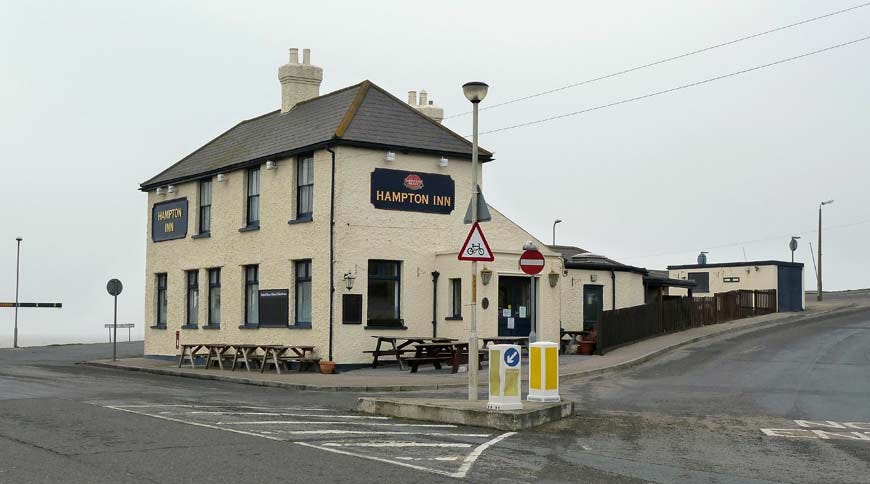
Hampton-on-Sea in Kent started to disappear in 1910 and the last inhabitant left by 1915. In this case, the ground and everything on it fell into the sea due to tidal erosion. The only speck of the village left today is the Hampton Inn, occupying a lonely spot next to the ruined pier.
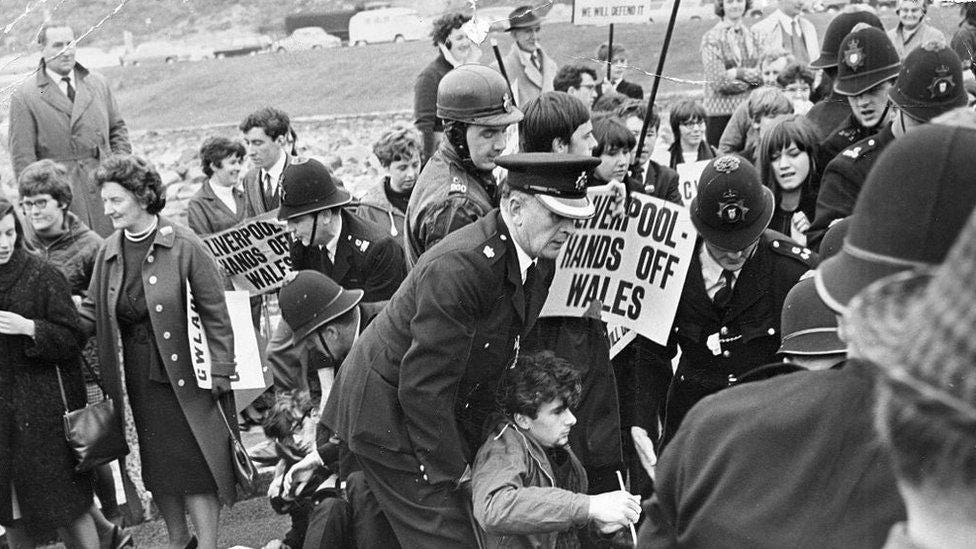
Other drowned villages were more organised. The village of Derwent was flooded to provide a reservoir for the Midlands, and the village of Mardale Green was dismantled and flooded to provide a reservoir for Manchester. In each case, the houses were destroyed, the villagers compensated, and graves were even reburied elsewhere. Over in Wales, Capel Celyn suffered the same fate, to supply water for Liverpool. There, the villagers held a long-running, angry campaign and even tried to bomb the reservoir pipelines to stop it being built.
The Economic Ghosts
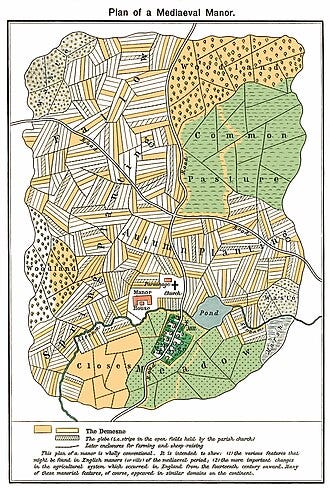
There are over three thousand vanished villages across England that simply died out. The Black Death delivered the first blow (a few, such as Nash in Shropshire, were wiped out immediately), but most staggered on for another century before bad harvests extinguished them. Most were enclosed - that is, turned into large farms for sheep or arable - instead of the open-field system used by families. The only landmarks a medieval farmer would recognise today are his parish church and the pub.
Have a great Thursday
Nat x
Argh, none of these would work for my plot idea … but not impossible, I suppose??
Hmm. Give me a challenge. Do you want your village:
- abandoned or inhabited? - ghosts or monsters? - very old (e.g. medieval) or modern?